


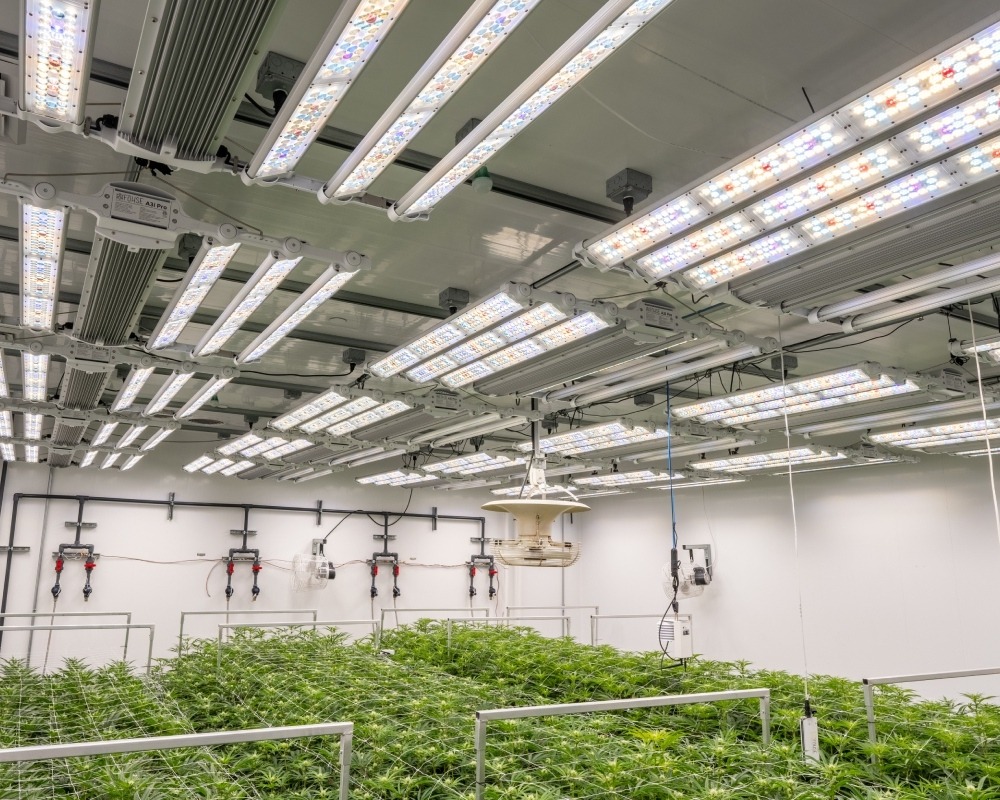
Introduction: Why Light Quality Matters for Plant Growth
Light stands as one of the most critical foundational elements driving plant development, serving as the primary source of energy for vital biological processes. In modern indoor cultivation, where natural sunlight is entirely absent or highly limited, growers rely heavily on an artificial plant growth light to replicate the sun’s natural energy.
Recent engineering breakthroughs in technology have transformed modern growing environments. The introduction of high-performance full spectrum LED grow lights has replaced primitive, single-wavelength options with a dynamic approach to indoor farming.
Understanding exactly how spectrum quality affects plant growth, structural development, and overall plant health is the key to unlocking maximum crop value and accelerating crop cycles.
In this article, we’ll discuss:
- Understanding the benefits of a full-spectrum LED light source for indoor gardening
- The science behind the visible light spectrum
- Why LED lighting options are perfect for plant species’ proper growth
- How FOHSE’s lights deliver the best results
Understanding Full Spectrum LED Grow Lights
To master indoor cultivation, growers need to understand exactly what artificial sunlight requires. Modern technology recreates the entire natural environmental experience within a controlled facility.
What Does ‘Full Spectrum’ Lighting Mean?
A full-spectrum fixture delivers an intentional, continuous blend of light that closely mimics the natural light profile of the sun. Unlike older, legacy lighting systems that only offer target colored outputs, high-efficiency spectrum grow lights generate a wide distribution across the entire Photosynthetically Active Radiation (PAR) region.
How Plants Use Different Light Wavelengths
Rather than depending entirely on one color, plants have evolved to utilize a rich, broad-spectrum composition. While raw light intensity dictates how much energy is delivered, the actual composition of the spectrum matters far more for proper developmental signaling.
High-quality full-spectrum LED grow lights offer an optimized balance that balances raw power with the exact wavelengths required to trigger robust growth responses.
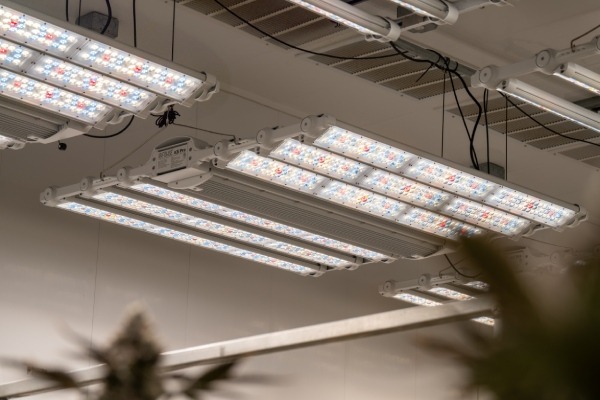
The Science Behind Light and Plant Development
Photosynthesis is the fundamental chemical engine of plant life, converting light energy into cellular food. However, this process relies on highly specific wavelengths of light to achieve maximum efficiency.
Plants rely on unique photoreceptors — primarily chlorophyll A and B — to absorb specific target wavelengths. Blue light wavelengths (typically around 400–500 nanometers) act as the primary engine for early vegetative growth, promoting short, dense nodes and robust leaf expansion.
Conversely, red light wavelengths (600–700 nanometers) are essential for triggering the flowering and fruiting cycles, accelerating budding sites, and driving heavier yields.
Beyond red and blue, supporting wavelengths such as green and far-red penetrate deeper into dense plant canopies. Balanced spectrum grow lights make sure that every leaf, from the top crown to the low under-canopy, gets the necessary energy to maximize carbon assimilation.
Key Benefits of Full Spectrum Grow Lights for Indoor Plants
Utilizing dedicated full spectrum grow lights for indoor plants transforms crop quality by delivering energy throughout every unique phase of a plant’s lifecycle.
Vegetative Growth Benefits
During early structural development, a balanced spectrum promotes exceptional root development and thick, sturdy stems. Proper spectral coverage prevents unhealthy stretching, encouraging tighter internodal spacing and dense, vibrant leaf canopies.
Flowering and Fruiting Advantages
When crops transition into production phases, targeted spectrum management maximizes essential oil production, flowering density, and overall crop quality.
By investing in versatile full-spectrum setups, commercial facilities eliminate the need to purchase, mount, and maintain multiple specialized fixtures. A single, comprehensive plant growth light solution can handle everything, making it perfect for a diverse range of crops, from delicate leafy greens to high-value dense canopies.
Why Indoor Farming LED Technology Is Replacing Traditional Grow Lights
The commercial cultivation landscape has shifted rapidly away from outdated fluorescent and high-intensity discharge (HID) systems. Modern indoor farming LED technology provides uncompromised performance advantages that legacy lighting simply cannot match.
| Feature | Legacy HID / HPS Systems | FOHSE Indoor Farming LED |
| Energy Efficiency | High power consumption, heavy grid draw | Up to 40–50% lower electricity consumption |
| Heat Management | High radiant heat; requires massive HVAC | Passively/actively cooled; minimal heat footprint |
| Lifespan & Maintenance | Frequent bulb replacements every 12 months | Extremely long fixture lifespan; zero bulb changes |
| Light Distribution | Intense hotspots directly below fixture | Uniform, precision lensing across the canopy |
By choosing a dedicated commercial indoor farming LED system, growers drastically reduce structural HVAC demands, lower monthly utility bills, and guarantee an even, perfectly distributed light footprint across every single square foot of the cultivation floor.
How Full Spectrum Lighting Supports Different Growth Stages
A crop’s biological needs are fluid, changing constantly as the plant moves from a fragile clone into a heavy, mature producer.
Seedling and Early Growth
During propagation and the early seedling phase, delicate plants require gentle intensity but broad spectral coverage. Full spectrum lighting provides the proper foundation for vulnerable root zones without risking light burn.
Vegetative Development
As plants expand structurally, the light distribution shifts to encourage rapid carbon assimilation, dense leaf formation, and strong branching patterns to prepare for future weight.
Flowering and Harvest
During final flowering, the light demands massive photon density and enhanced red/far-red wavelengths. Utilizing comprehensive full spectrum LED grow lights means you can use one premium fixture across the entire life cycle, streamlining facility workflows and minimizing stress on the crop.
Choosing the Right Full Spectrum Grow Lights for Indoor Plants
Not all spectrum grow lights are built equally, and selecting the right equipment requires evaluating key performance metrics.
- PPFD Output: Photosynthetic Photon Flux Density measures the actual amount of useful light that successfully reaches your plant canopy.
- Spectrum Quality: The fixture should offer true, continuous broad-spectrum coverage rather than cheap, single-band peaks.
- Coverage Area & Uniformity: Look for precision cross-over lensing configurations that eliminate weak edges and dark corners.
- Fixture Durability: Choose options with verified ingress protection (IP ratings) to withstand high-humidity environments.
Whether you are configuring a compact multi-tier home setup or designing a massive, single-tier commercial facility, matching light intensity directly to your crop’s specific requirements is crucial for operational success.
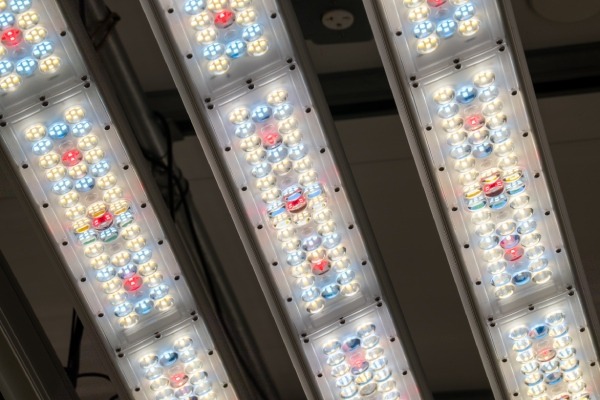
The Future of Indoor Farming LED Solutions
The world of horticultural engineering is moving rapidly toward intelligent automation and data-driven precision. The next generation of indoor farming LED configurations features automated light scheduling, precision spectrum steering, and responsive environmental controls.
Advanced features such as light harvesting allow smart fixtures to constantly analyze changing sunlight in real-time, instantly adjusting output to maximize overall efficiency.
As global market demands shift toward sustainable, highly predictable food and medicine production, utilizing advanced full spectrum LED grow lights guarantees that modern cultivation operations remain competitive, energy-efficient, and highly profitable.
Full Spectrum LED Grow Lights Create Better Growing Environments
Optimizing your lighting spectrum is an absolute necessity for modern cultivation success. Investing in premium full spectrum LED grow lights guarantees healthier plant development, dramatically increased crop yields, and significantly lower overhead costs.
By replacing outdated legacy fixtures with a high-intensity, uniform plant growth light, you create the ideal conditions for plants to thrive.
Discover how FOHSE’s industry-leading LED technology can revolutionize your cultivation facility by visiting FOHSE.com, or contact us today to learn more.
Frequently Asked Questions (FAQs)
Full spectrum grow lights are advanced artificial lighting systems engineered to emit a continuous, balanced range of light wavelengths across the entire PAR spectrum, closely mimicking the natural light profile of the sun.
Yes. They provide a highly balanced light composition that supports both early vegetative structural development and intense late-stage flowering, resulting in healthier root systems and higher yields.
They improve growth by activating multiple essential plant photoreceptors simultaneously. This maximizes photosynthesis, improves nutrient uptake, and prevents plants from stretching out unhealthily.
Absolutely. High-quality full-spectrum fixtures provide all the required blue wavelengths for cloning and vegetative stages, as well as the deep red wavelengths needed for heavy flowering and harvest.
They convert significantly more electrical energy into usable light rather than wasting it as excess radiant heat. This drastically lowers power consumption and reduces the need for expensive HVAC cooling.


