


Farmers and agribusiness owners are constantly searching for ways to boost profitability without sacrificing sustainability. Rising input costs, unpredictable weather patterns, supply chain challenges, and market pressures make it more important than ever to adopt practices that strengthen the bottom line.
The most successful farms don’t just work harder, they work smarter. By combining modern technology, efficient systems, and data-driven decision making, growers can increase yields while controlling operational costs.
In this guide, we’ll explore practical, proven agriculture practices that increase profit margins, enhance resilience, and support long-term success.
1. Precision Agriculture: Make Data Work for You
Gone are the days of one-size-fits-all farming. Precision agriculture allows growers to make informed decisions using real-time data from sensors, drones, GPS mapping, and environmental monitoring systems.
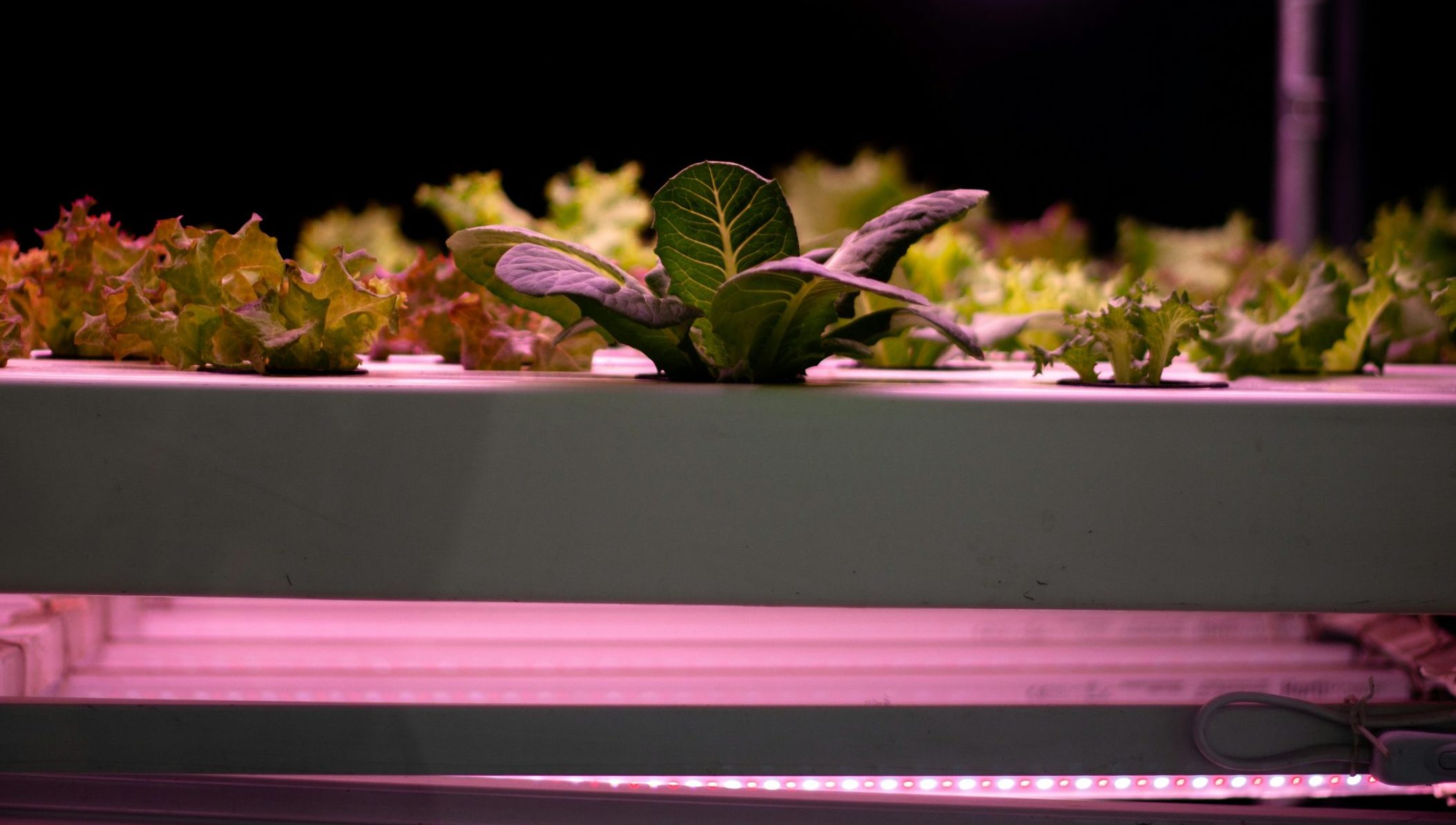
For indoor and greenhouse growers, precision agriculture also includes optimizing lighting performance, climate control, and plant monitoring to maximize output per square foot.
How It Increases Profit
Optimized Input Use
Apply fertilizer, nutrients, and crop protection only where needed, reducing waste and lowering costs.
Targeted Irrigation
Use soil moisture and environmental data to prevent overwatering and improve plant health.
Lighting Efficiency
High-efficiency horticulture lighting systems help growers deliver the right amount of light energy to crops while reducing electricity costs.
Yield Mapping
Identify high and low-performing zones and adjust strategies accordingly.
Real-World Impact:
Many farms see a 10–20% reduction in input costs within the first season of adopting precision tools and environmental monitoring.
2. Crop Rotation and Diversification
Planting the same crop year after year can deplete soil nutrients and increase pest pressure. Crop rotation and diversification restore balance and strengthen farm profitability.
How It Increases Profit
Healthier Soil
Rotating crops such as legumes, grains, and cover crops improves nutrient cycling and reduces fertilizer needs.
Natural Pest Control
Diverse crop systems disrupt pest cycles and reduce reliance on chemical treatments.
Multiple Revenue Streams
Diversified crops allow farms to access new markets and reduce financial risk.
Pro Tip:
Introducing high-value crops, such as specialty greens, herbs, or niche vegetables, can significantly increase revenue per acre, especially in controlled-environment agriculture facilities.
3. Integrated Pest Management (IPM)
Integrated Pest Management (IPM) focuses on prevention, monitoring, and strategic intervention to keep pest populations under control while minimizing costs and environmental impact.
Core Principles
Monitoring and Identification
Understand which pests are present before taking action.
Know the Life Cycle
One of the most valuable insights for growers is understanding the pest life cycle. Targeting control measures at the most vulnerable stage of development dramatically improves effectiveness and reduces wasted inputs.
Natural Controls First
Encourage beneficial insects and plant resistant varieties.
Strategic Intervention
When action is needed, a layered approach works best. Biorational pesticides can be used for an initial knockdown of pest populations, followed by beneficial organisms to maintain long-term control and system balance.
Plant Health as Defense
Strong, vigorous plants are naturally more resistant to pests. Optimizing plant health creates an additional line of defense, making your entire system more resilient.
Targeted Chemical Use
Only apply pesticides when economic thresholds are reached.
Profit Benefit
IPM often reduces pesticide usage, lowers operating costs, and improves crop quality, all of which contribute to stronger profit margins.
4. Soil Health Practices That Pay Dividends
Soil isn’t just dirt; it’s the foundation of your farm’s productivity and profitability. Healthy soil retains water, supports stronger root systems, and reduces long-term input costs.
Best Practices for Profit
Cover Cropping
Prevents erosion, improves soil structure, and increases organic matter.
Reduced Tillage
Cuts fuel costs while preserving beneficial soil microbes.
Regular Soil Testing
Helps growers apply the right nutrients at the right time.
Controlled-Environment Advantage
For greenhouse and indoor farms, optimizing substrate health, irrigation, and lighting together leads to more predictable yields.
Economic Impact
Farms focusing on soil health often reduce fertilizer costs and maintain more stable yields, even during difficult growing seasons.
- Supplemental Greenhouse Lighting: When the Sun Isn’t Enough
Even the best greenhouse setups have one unavoidable limitation: you can’t control the sun. Shorter days, cloudy stretches, and winter months can significantly reduce the amount of usable light your crops receive, and that directly impacts growth, yield, and overall profitability.
That’s where supplemental lighting comes in.
Why It Matters for Profit
- Consistent Growth Year-Round: Maintain optimal light levels even during low-light seasons, preventing stalled growth cycles.
- Higher Yields in Winter Months: Instead of accepting seasonal dips, growers can continue producing at near-peak levels.
- Improved Crop Quality: Stable light intensity leads to more uniform plants, better structure, and higher market value.
- Maximized Facility ROI: Your greenhouse doesn’t have to slow down just because daylight hours do.
How to Use It Effectively
- Fill the DLI Gap: Use supplemental lighting to hit your target Daily Light Integral (DLI), especially in winter.
- Photoperiod Control: Extend daylight hours to keep plants in vegetative or flowering stages as needed.
- Strategic Scheduling: Run lights during off-peak energy hours when possible to reduce electricity costs.

6. Collaborative Farming and Resource Sharing
Agriculture has always been rooted in community. Collaborating with neighboring farms can significantly reduce costs and expand opportunities.
Examples of Collaboration
Shared Equipment
High-cost machinery can be rented or shared between farms.
Bulk Purchasing
Buying seeds, nutrients, or supplies as a group lowers costs.
Cooperative Marketing
Shared branding or distribution systems allow farms to reach larger markets.
Why It Works
Collaboration lowers operational expenses while strengthening regional agricultural networks.
Frequently Asked Questions
What agricultural practices improve profitability the most?
The practices that consistently improve profitability are those that increase efficiency and reduce unnecessary costs. Precision agriculture, crop rotation, soil health management, efficient lighting systems, and diversified marketing strategies tend to deliver the strongest results.
Is precision agriculture worth the investment?
For many farms, yes. Precision agriculture helps growers apply inputs only where needed and monitor crop performance more accurately. Over time, this leads to reduced waste, improved yields, and better resource management. Many producers begin seeing measurable returns within the first one to two years
How does crop rotation increase profits?
Crop rotation improves soil fertility and disrupts pest cycles, which lowers the need for fertilizers and pesticides. Healthier soil leads to more consistent yields, while diversified crops can open new revenue streams.
Can small farms benefit from these practices?
Absolutely. Many profitable changes do not require large investments.
Small farms can start by:
- Implementing cover crops
- Conducting soil testing
- Using precision agriculture apps
- Selling through CSA programs or direct markets
- Exploring value-added products
Because smaller farms operate on tighter margins, efficiency improvements often show results quickly.
What are the first steps for increasing farm profit margins?
Start with a simple evaluation:
- Review current production costs and yields
- Test soil health and nutrient levels
- Identify efficiency opportunities in irrigation, lighting, or inputs
- Explore direct-to-market opportunities
- Look for partnerships or shared resources
Even small adjustments, like improving lighting efficiency in a greenhouse or adjusting fertilizer timing, can produce measurable financial gains.
Real Stories: When Profit Meets Practical Strategy
Consider a mid-size grain farm that adopted precision agriculture tools alongside crop rotation. By tailoring fertilizer application and introducing cover crops, the farm reduced input costs by 15% and improved yield stability during drought conditions. They later introduced a branded flour blend for local bakeries, increasing revenue per bushel.
Another example is a small indoor vegetable farm that optimized its lighting layout and launched a weekly CSA program. With improved crop consistency and direct-to-consumer sales, the farm increased profitability while reducing waste.
Final Thoughts: Profit Isn’t an Accident. It’s Intentional
In agriculture, profitability isn’t just about working harder; it’s about making strategic decisions that improve efficiency, crop performance, and market value.
Practices like precision agriculture, crop diversification, integrated pest management, and smart marketing don’t just increase margins; they make farms more resilient and future-ready.
If you’re looking to improve profitability this season:
- Start small: implement one or two changes
- Track your results: data drives better decisions
- Invest in efficiency: technology and optimized systems pay off
- Build strong partnerships: farming success often comes through collaboration
At FOHSE, we’re committed to helping growers maximize performance through smarter cultivation strategies and advanced horticulture lighting solutions.
Because when your farm thrives, your entire operation grows stronger.
Want more insights like this? Subscribe to the FOHSE newsletter for cultivation strategies, technology insights, and trends shaping the future of agriculture.


